Heat pump repair and troubleshooting
Is your heat pump not working as it should? Poor heating, unusual noise, icing, error codes or higher electricity use can be signs that something should be checked. Servion helps you with troubleshooting and repair of heat pumps, so you get safe and tidy help when a problem occurs.
- Fast response time
- Troubleshooting all brands
- Original spare parts
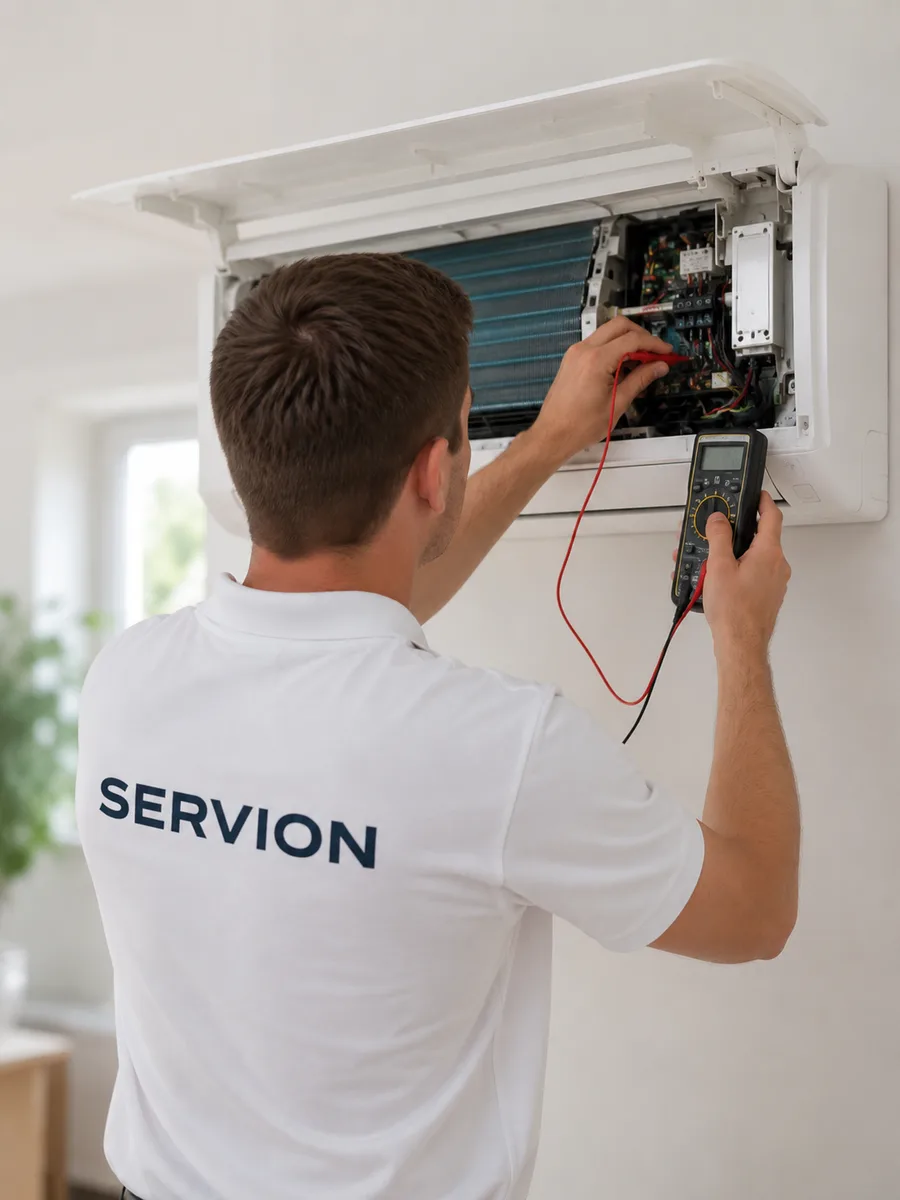
A heat pump consists of several parts that must work together. Some faults can be caused by simple things, such as clogged filters or wrong settings. Other times professionals may be needed to examine the system more thoroughly. By finding the cause early you can often avoid bigger problems and get better operation over time.
Servion is based in Orkanger and helps customers across Trøndelag with service, troubleshooting, maintenance and repair of heat pumps. We meet you in a tidy way, explain what we find, and give honest advice about the way forward. Get in touch for a simple assessment if your heat pump is not working as it should.
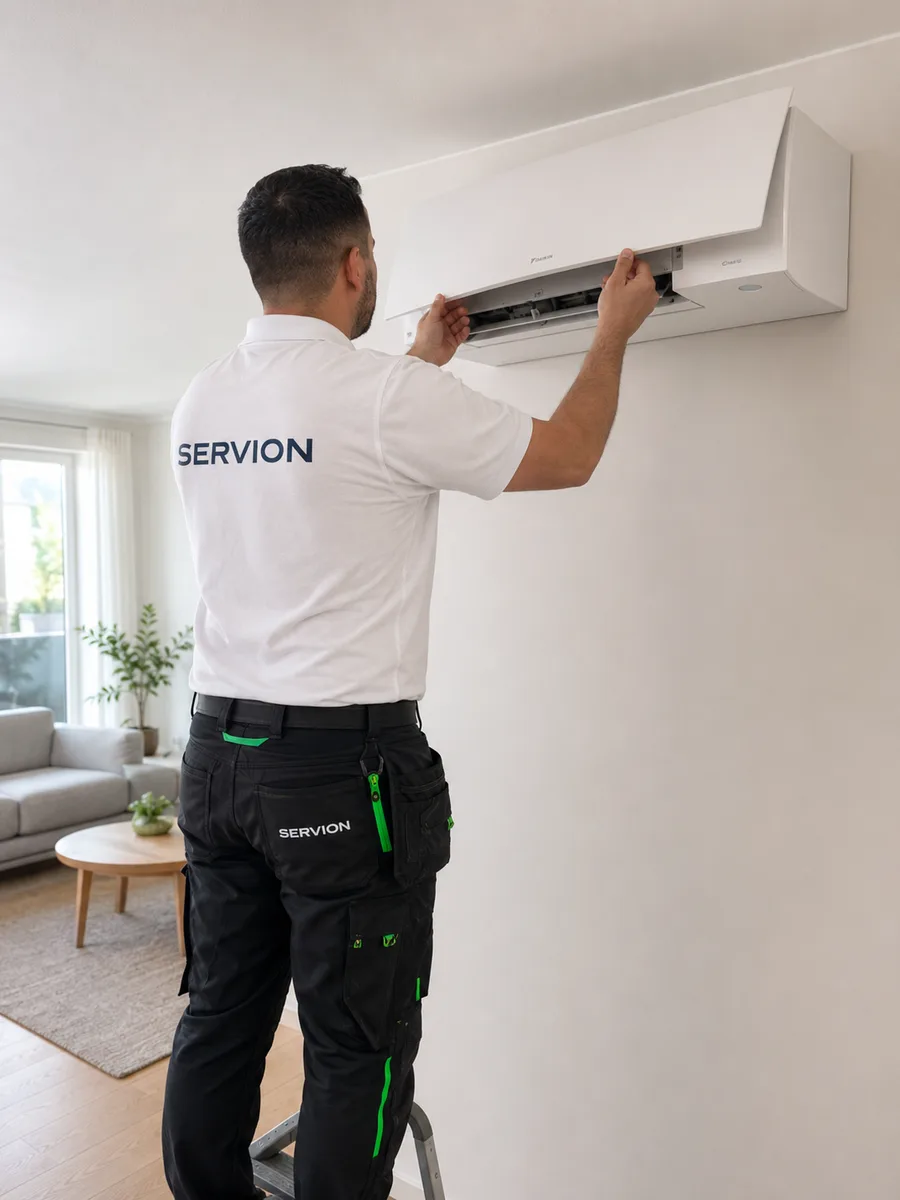
Frequently asked questions about heat pump repair and troubleshooting
When should I contact professionals to troubleshoot the heat pump?
You should contact professionals if the heat pump heats poorly, makes unusual noises, stops often, shows an error code or uses more electricity than usual. The same applies if you notice icing, leakage or smell from the system.
What can cause the heat pump to not heat well enough?
Poor heating can have several causes. It can for example be dirty filters, wrong settings, low outdoor temperature, poor airflow or technical faults in the system. A professional can investigate the cause and advise on what should be done.
What does it mean if the heat pump shows an error code?
An error code is the heat pump's way of signaling that something is not right. The code can point to a specific fault, but should often be assessed together with symptoms and operation. Feel free to note the error code before you get in touch.
Can I troubleshoot the heat pump myself?
You can check simple things yourself. See if the power is on, if the remote control works, if the filters are clean and if the settings are correct. You should not open or repair technical parts yourself. If in doubt, it is safest to contact professionals.
Why does the heat pump make unusual noise?
Noise can come from vibrations, wear, icing, loose parts or faults in the fan or motor. Some noises are harmless, but new or loud noises should be checked. That way you can avoid a small fault developing further.
What do I do if the heat pump leaks water?
Leakage can be caused by a blocked drain, incorrect mounting, icing or other problems. Turn off the system if you are worried about damage, and contact professionals for an assessment. Water leakage should not be ignored.
Why does the heat pump ice up?
Some ice can occur under certain conditions, but a lot of ice or ice that does not disappear can indicate a fault. The cause can be poor airflow, faulty defrosting or technical problems. Then the heat pump should be checked.
Is it worth repairing an old heat pump?
It depends on age, condition, type of fault and cost. In some cases repair makes sense. Other times it can be better to consider a new heat pump. Servion can examine the system and give honest advice about what is most sensible.
Can service prevent the need for repair?
Yes, regular service can contribute to better operation and reduce the risk of faults. During a service, professionals can discover wear, dirt or other conditions that should be followed up. It can also contribute to better comfort and a longer lifespan for the heat pump.
How do I book troubleshooting or repair?
Contact Servion and briefly explain what the problem is. Feel free to state the brand, model and age of the heat pump and any error codes. That makes it easier to assess what should be checked.
Does your heat pump need a check?
Contact Servion for heat pump troubleshooting and repair in Trøndelag.
Stay updated on heat pump tips
Sign up for our newsletter and receive useful articles about heat pumps, maintenance and energy savings.