Heat pump installation
A heat pump should provide even heat, good comfort and safe operation for many years. That makes the installation itself important. Correct placement, tidy mounting and proper setup of the system matter a great deal for how the heat pump performs in everyday use.
- Fixed price
- Certified local technicians
- 5-year installation warranty
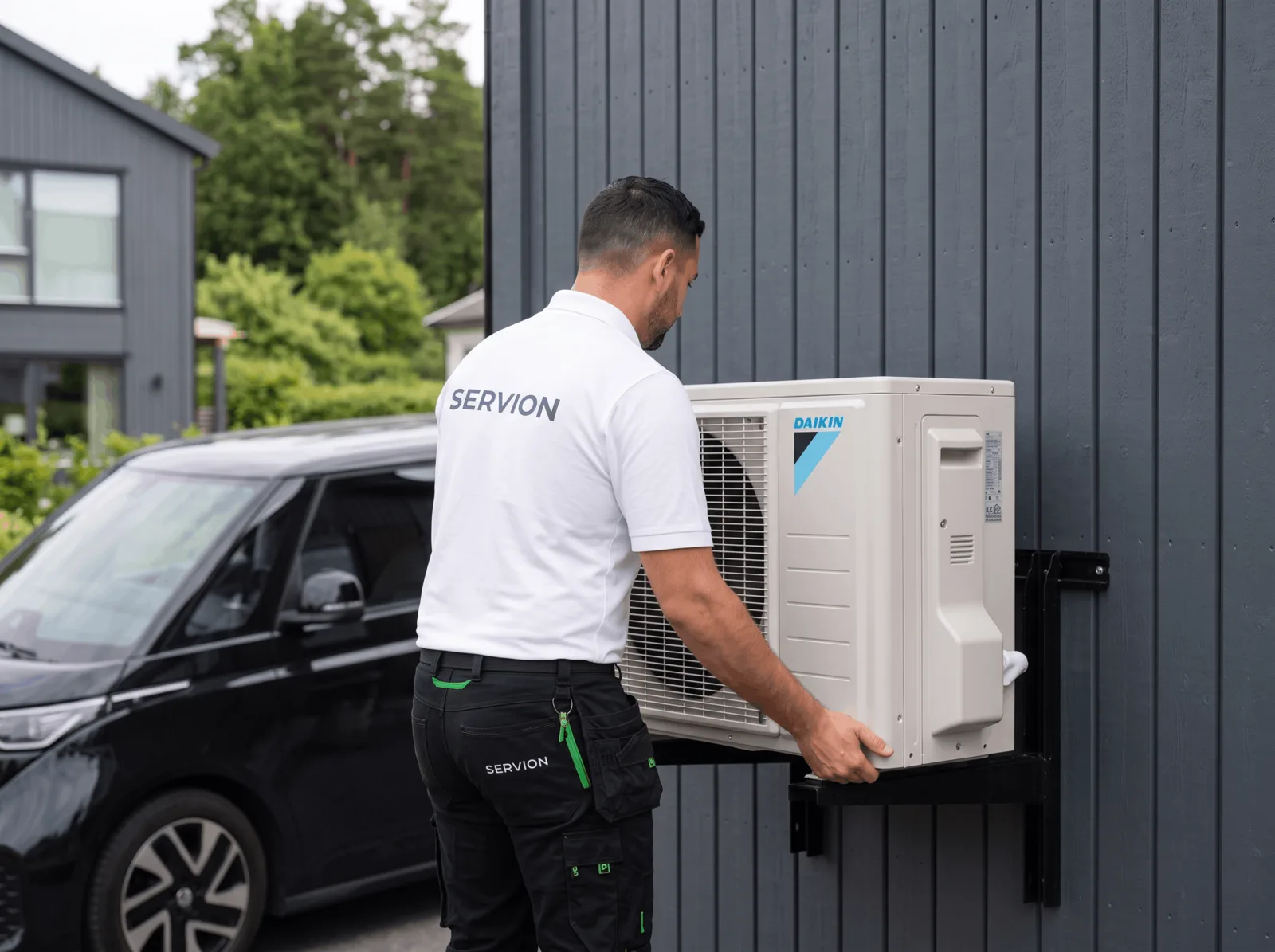
At Servion you get help from professionals who handle the whole job in a safe and tidy way. We assess your home, find a good placement and make sure the heat pump is mounted correctly. After the installation we go through how to use it together with you, so you know how to get the most out of your heat pump.
For us the job does not stop when the heat pump is mounted. We emphasize a thorough handover, free Norwegian-language support and long-term follow-up. That means you can get in touch after the installation too, if you have questions, need help with settings or want a service later.
Frequently asked questions about heat pump installation
Where should the heat pump be placed?
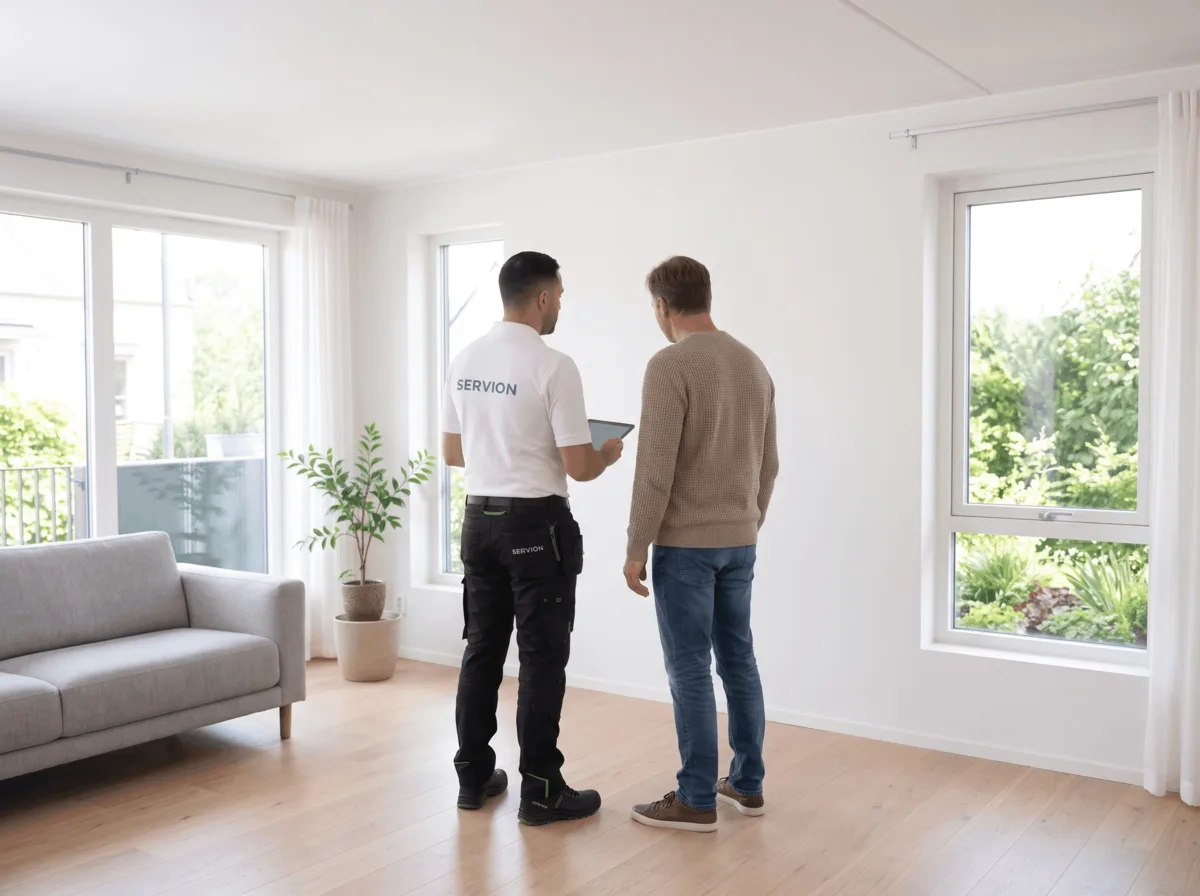
The heat pump should be placed where it gives the best possible heat distribution in your home. That depends on floor plan, room size, airflow and where you spend the most time. We help you find a good placement before installation.
How long does an installation take?
The time varies with the home, the placement and the type of heat pump. In most cases the installation can be completed within one working day. We agree on a time in advance and make sure the work is carried out tidily.
What do I need to do before the installer arrives?
It helps if the area where the heat pump will be mounted is cleared and easy to access. If you are unsure about placement, you do not need to decide everything in advance. We go through this together with you well before the work starts.
Do I get training in how to use the heat pump?
Yes. A thorough handover is an important part of the installation. We show you how the heat pump is used, which settings are useful, and what to keep in mind to get even heat and reliable operation.
Can I get help after the heat pump is installed?
Yes. Servion offers free Norwegian-language support after installation. If you have questions about usage, settings or anything you are unsure about, you can contact us.
Why is correct installation so important?
Correct installation contributes to better operation, more even heat and fewer problems over time. A heat pump that is correctly placed and mounted has better conditions for working well in everyday use.
Can the heat pump help reduce my electricity use?
A heat pump can contribute to lower electricity use compared with traditional electric heating, but the result depends on the home, usage, placement and heating needs. We give you advice on correct use, so you get the most out of the system.
Does the heat pump need service after installation?
Yes, regular service is recommended to keep the heat pump in good condition. Service can contribute to better operation, longer lifespan and fewer faults. We can help you with follow-up and maintenance after the heat pump is mounted as well.
Read more about serviceWhat happens if the heat pump is not working as it should?
If the heat pump makes unusual noise, performs poorly or shows an error message, you should contact professionals. Servion helps with troubleshooting, assessment and further follow-up.
Why choose Servion for the installation?
Servion helps you with safe installation, a thorough handover and follow-up over time. We explain things simply, arrive at the agreed time and do the work tidily. The goal is for you to feel confident both during and after the installation.
Do I need to know which heat pump I want before contacting you?
No, you do not need to decide in advance. We can help you assess your home, needs and placement, so you get a heat pump that suits the way you use it.
What do you look at before recommending a placement?
Among other things we look at floor plan, room size, where the heat should be distributed, where the indoor unit can be mounted neatly and practically, and where the outdoor unit should stand. The goal is good heat distribution, safe operation and a solution that works well in everyday life.
Can a heat pump be installed in all types of homes?
A heat pump can suit many types of homes, but the solution must be assessed based on the building. Detached houses, terraced houses, apartments and cabins can have different needs and limitations. We advise you on what is practically possible and sensible.
Where should the outdoor unit be placed?
The outdoor unit should be placed so it gets good airflow, stands securely and is easy to access for service. It is also wise to think about noise, snow, water drainage and distance to neighbors. We help you find a good placement.
Does mounting involve major work on the wall?
The installation normally requires a feed-through in the wall for pipes and cables. This is done in a controlled and tidy way. We make sure the feed-through is sealed correctly and that the work is neatly done.
Why is long-term follow-up important?
A heat pump should work well over time. With correct use, regular maintenance and service when needed, you can get better operation, fewer problems and a longer lifespan for the system. Servion can follow you up after the installation as well.
What happens on the installation day itself?
We first go through the placement and practical details together with you. Then the indoor and outdoor units, pipes and necessary connections are mounted. Finally we test the heat pump and give you a thorough handover.
Do I need to be home during the whole installation?
It is an advantage that you are available at startup and handover, so there are no misunderstandings or uncertainty.
How much space does the indoor unit need?
The indoor unit needs enough space around it to blow air well into the room. It should not be placed behind furniture, curtains or other things that block the airflow. We assess this together with you before mounting.
Can the heat pump heat the whole house?
That depends on the home, floor plan, insulation, size and where the heat pump is placed. In some homes one heat pump can cover a large part of the heating needs. In other homes additional heat sources may be needed.
What should I consider if my home has several floors?
Heat rises, but that does not always mean one heat pump covers every floor well. Stairs, room layout and placement matter a lot. We help you assess what gives the best practical solution.
Do I need to apply for permission before installation?
In many cases you do not need to apply to mount a heat pump in an ordinary home. If you live in a housing cooperative, a jointly owned property or a protected building, separate rules may still apply. It is wise to clarify this before installation.
What does a heat pump installation cost?
At Servion we have made it simple. We use an attractive fixed price for the heat pump no matter how long the installation takes.
Can you remove the old heat pump?
Yes, we can help with dismantling your old heat pump as part of a new installation at no extra cost.
What do you do to make the installation look good?
We emphasize tidy work and a neat installation. Pipes, cables and feed-throughs are placed as practically and discreetly as possible. We also clean up after ourselves when the job is done.
Considering a heat pump?
Take a closer look at the heat pumps we install.
Stay updated on heat pump tips
Sign up for our newsletter and receive useful articles about heat pumps, maintenance and energy savings.